cauldron’s circus // strait of hormuz
recycled plastic, wood, bottle caps, marbles, bike wheels, acrylic paint, granite, 2026
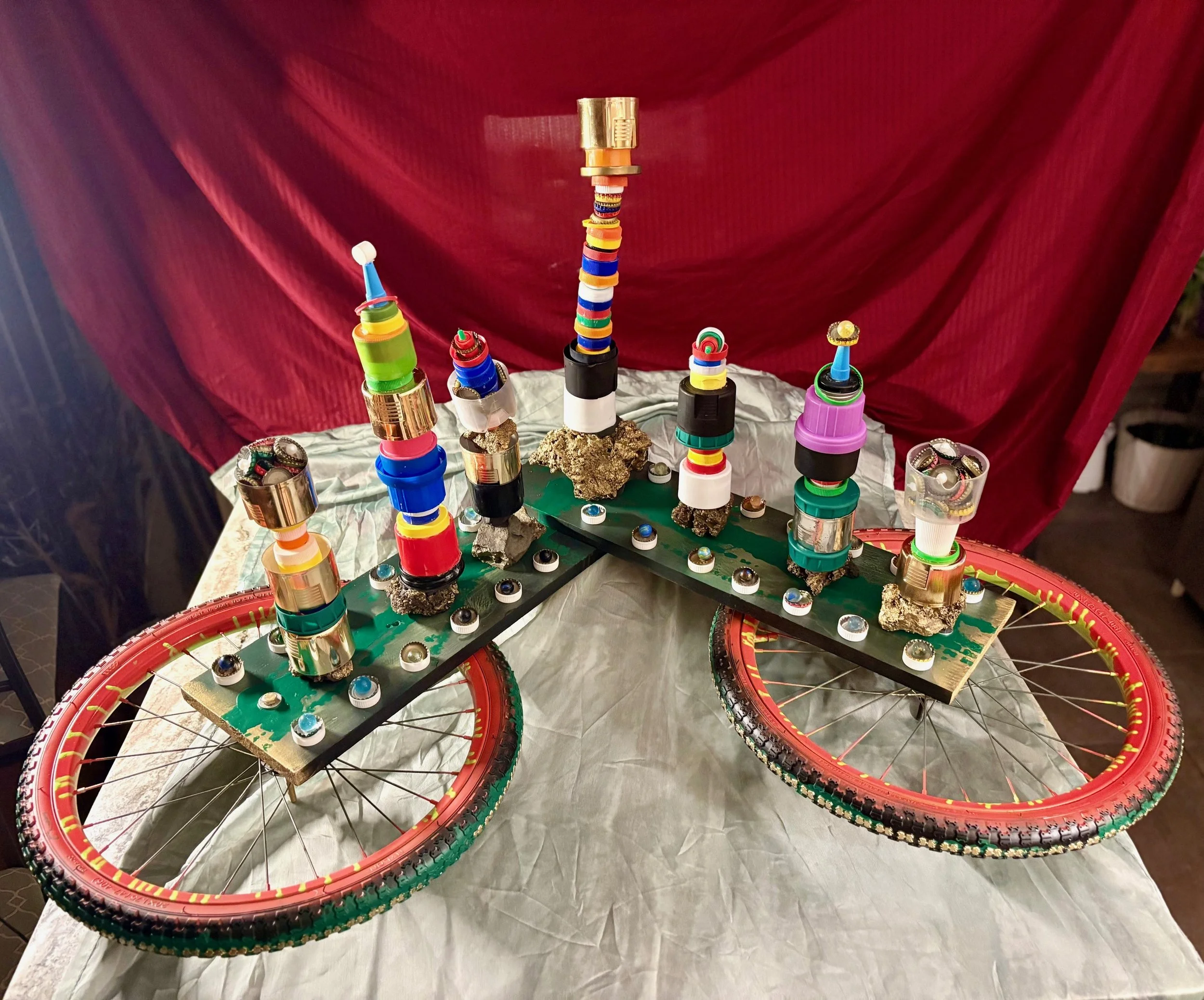
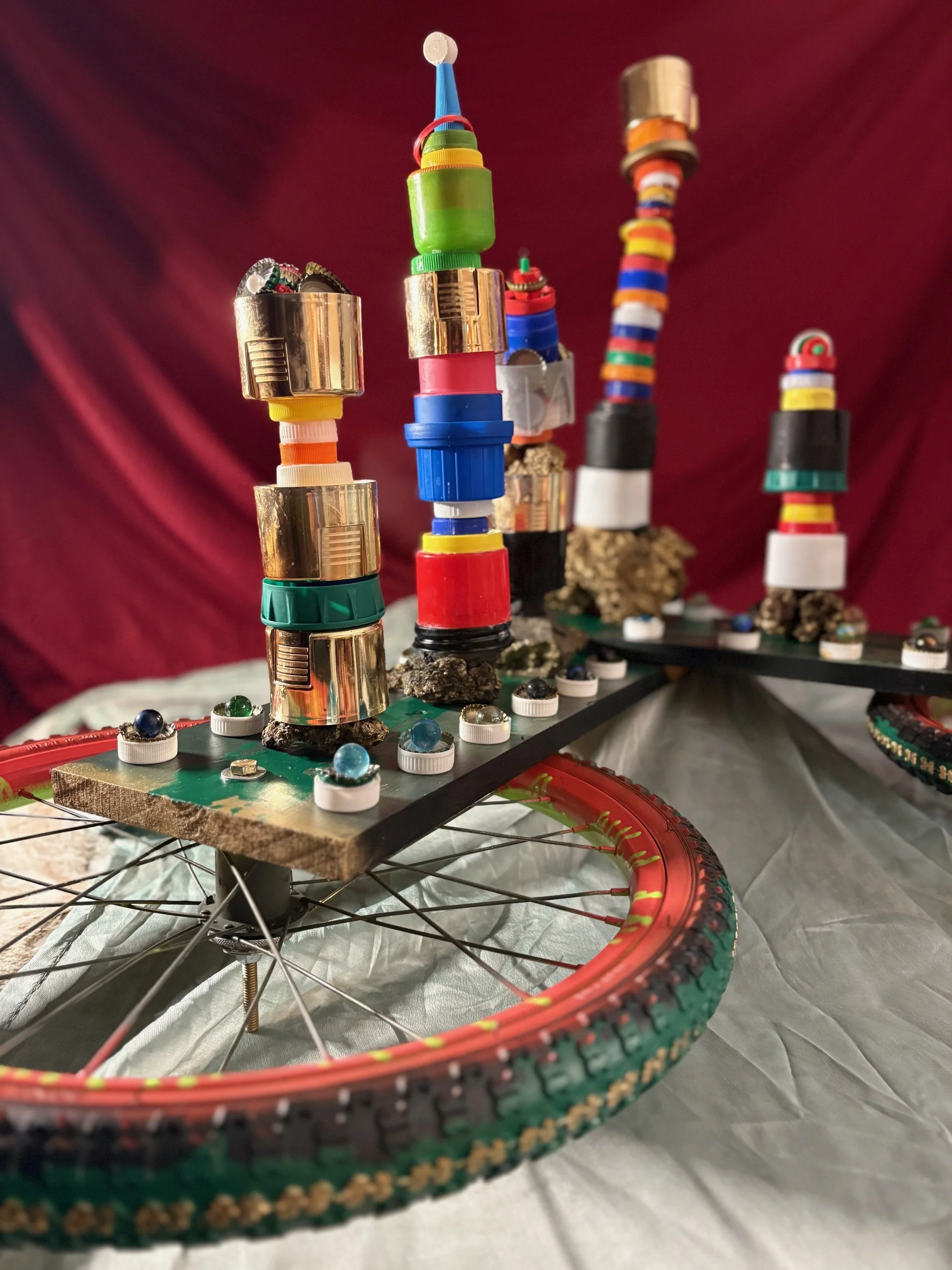
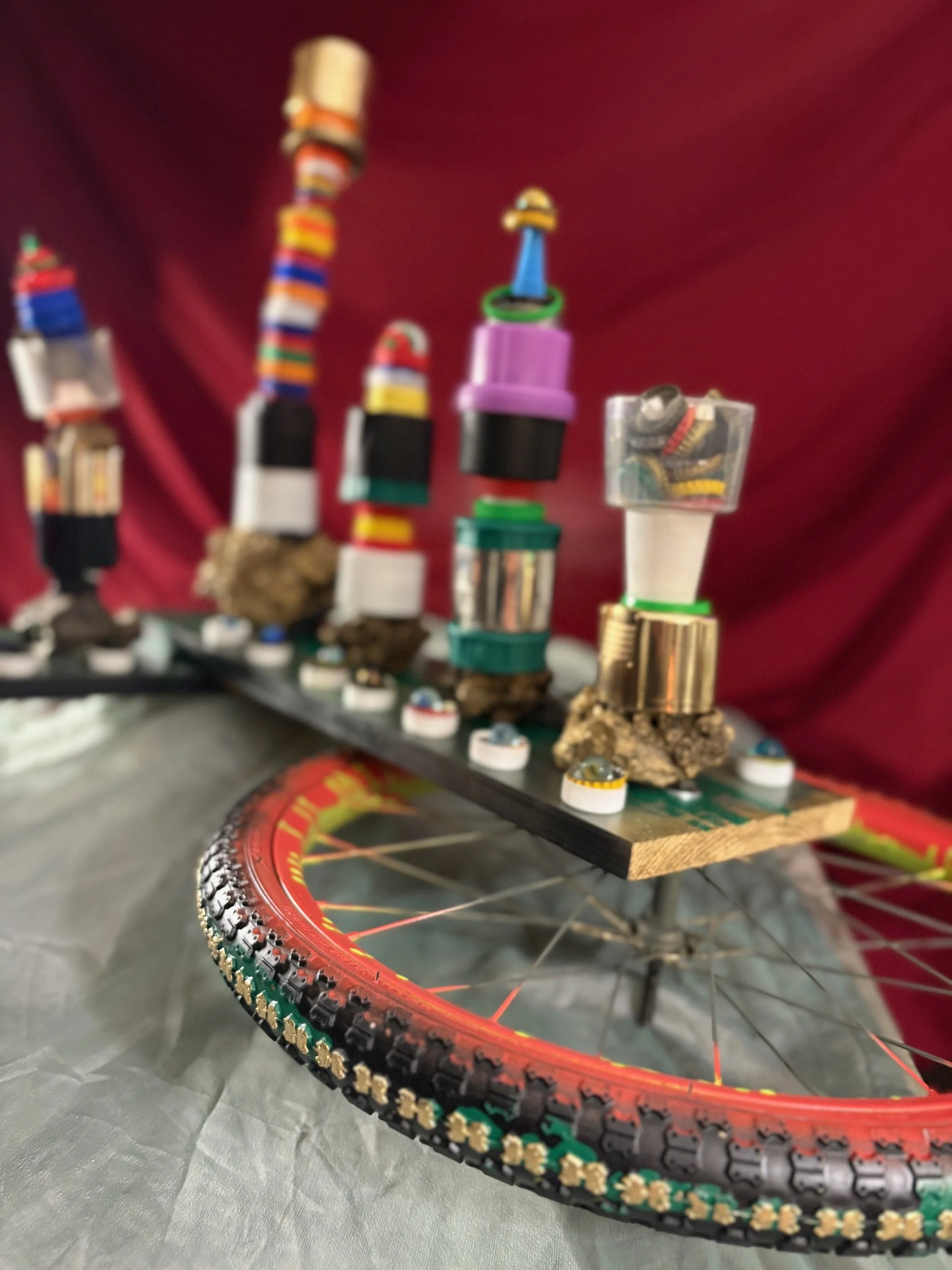
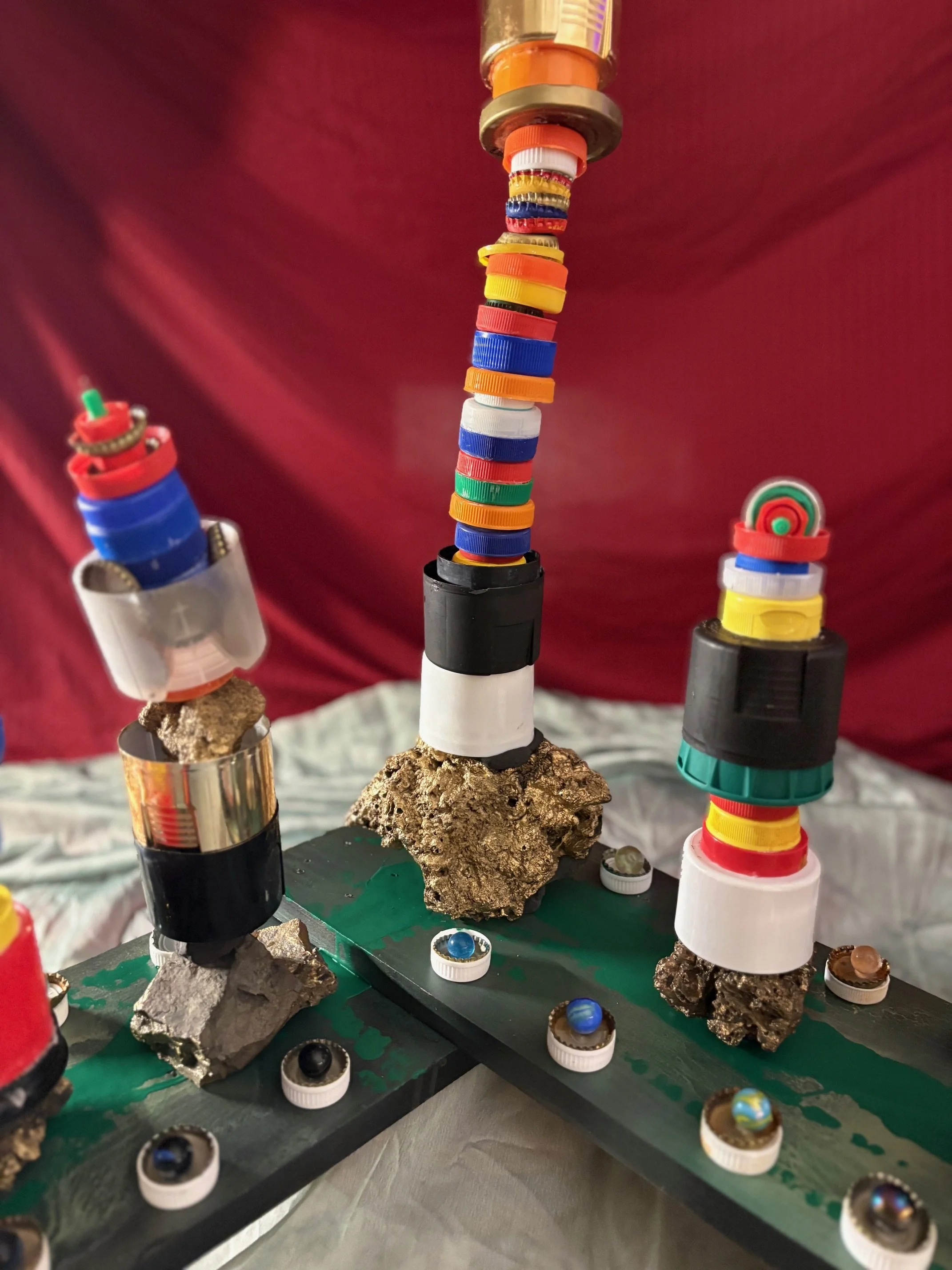
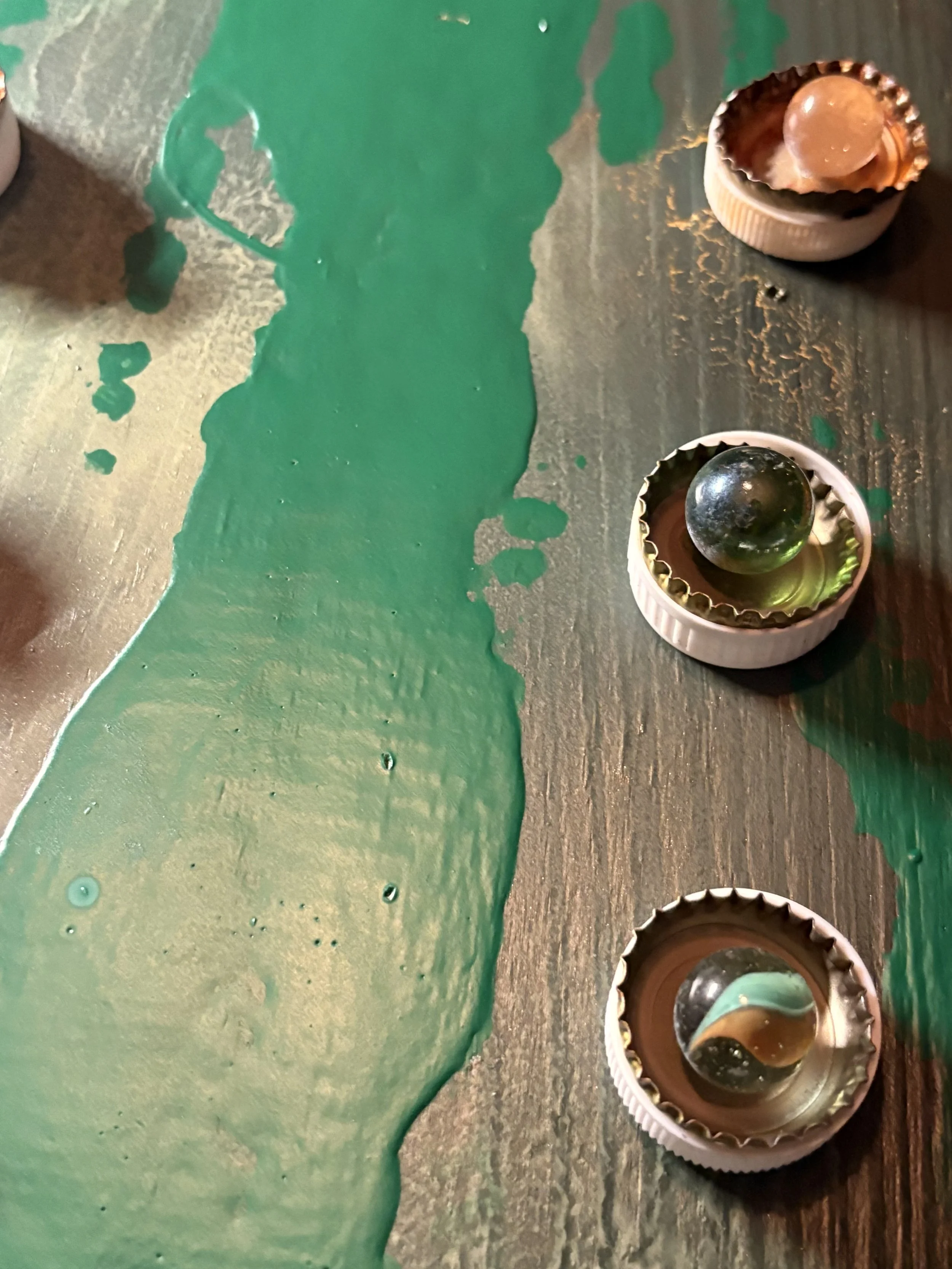
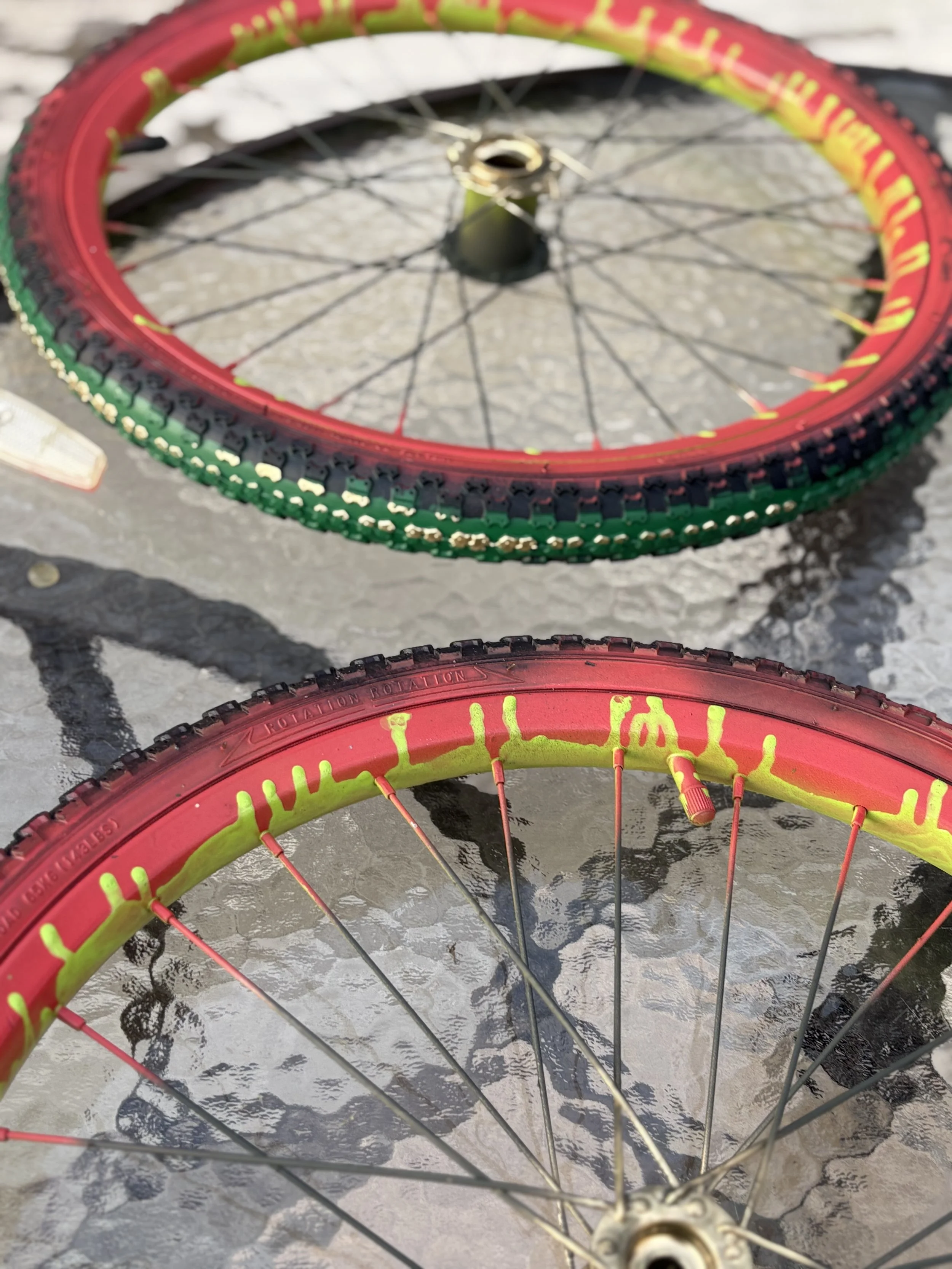
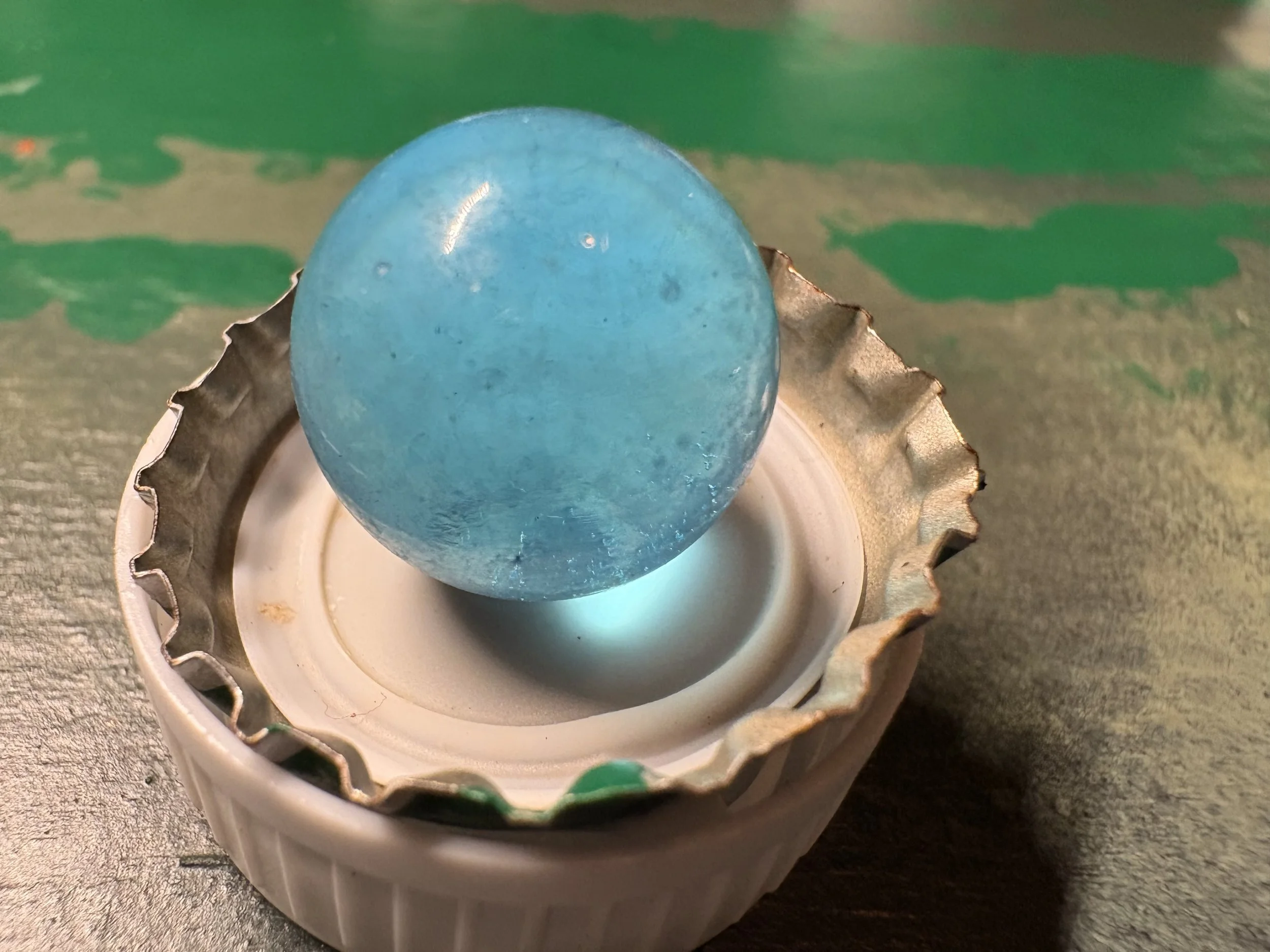
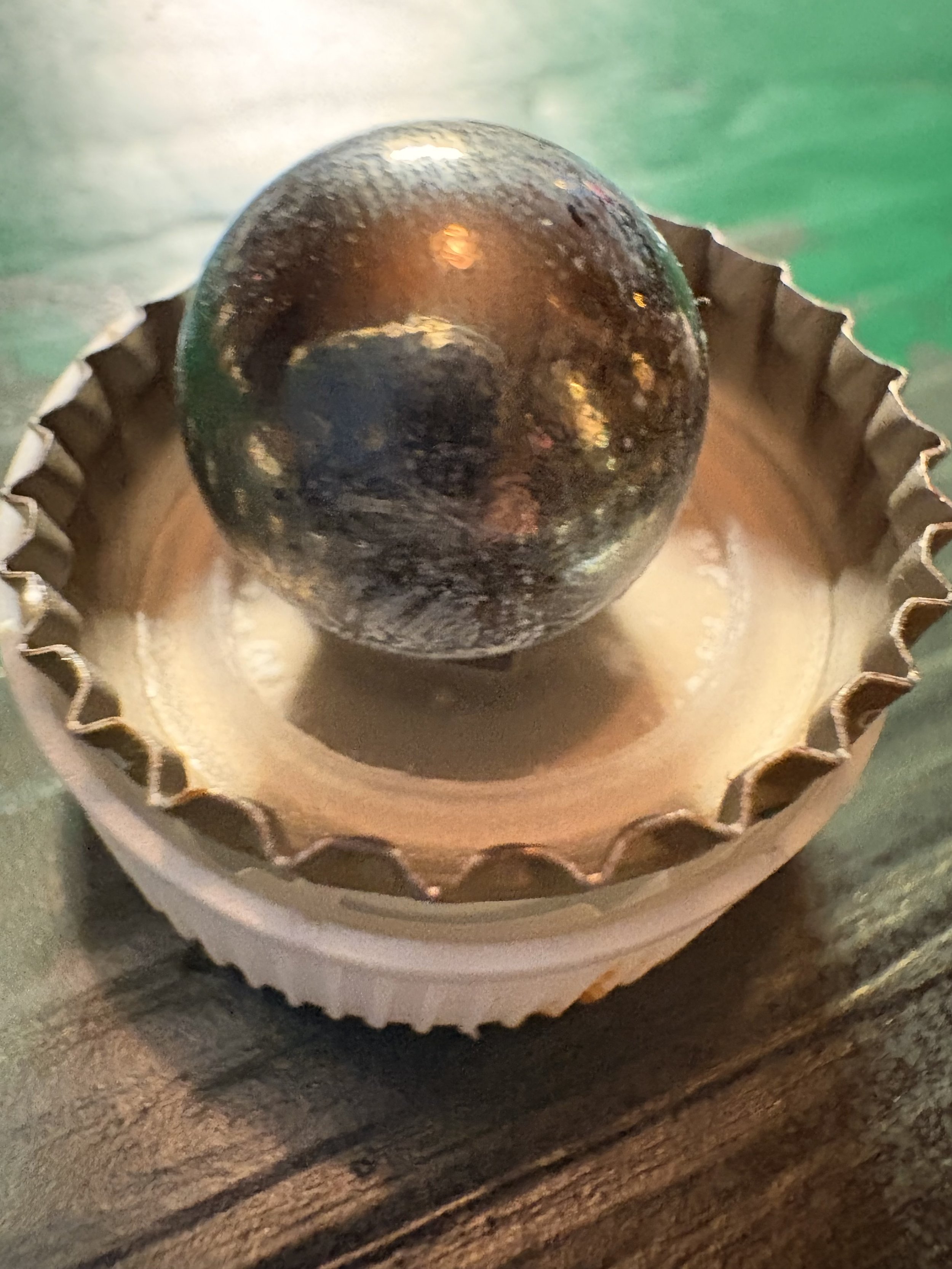
At the center of the battle between Iran, the United States and Israel, are fossil fuels. The Islamic country that controls this resource and commodity has defacto hegemony over the region. Strategically disrupting this is something the West has worked on for more than 70 years.
From the environmental side, this moment represents conceptual reprieve. Plastic products such as disposable cutlery, bottled drinks and garbage bags are partly made out of oil.
The region accounts for roughly a quarter of global polyethylene and polypropylene exports. Plastics are deeply embedded across industries, from packaging and construction to auto manufacturing and healthcare.
From a Latin origin, the term cauldron is derived from caldrius, meaning “hot.” This word provided the root meaning for caldarium, a cooking-pot and the Anglo- Norman French cauderon, from which came the Middle English word caldron in the fourteenth century.
A circus is a traveling or stationary show featuring acrobats, clowns, and trained animals performing in a ring, often within a large tent. It originates from the Latin for "circle" or "arena".
What is happening in the Strait of Hormuz in the “Middle East” arena, is a spectacular show, colloquially, a "three-ring circus" for both politicians and media. As we celebrate the 100th anniversary of Alexander Calder’s circus, we salute his humor looking at the calamity of human events.